


From Mine to Manufacturing: Understanding Molybdenum Rod Production in India
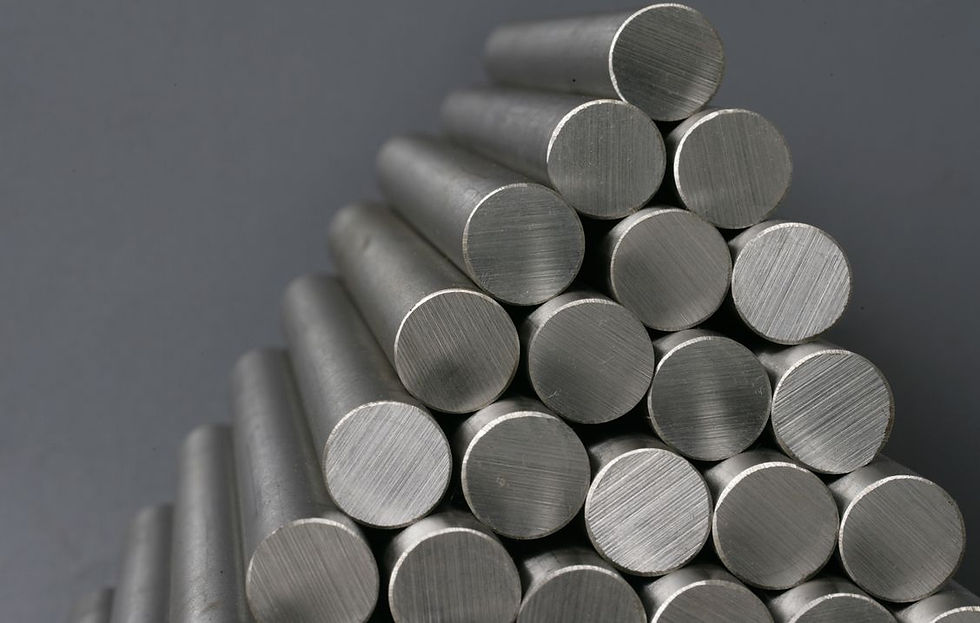
As one of the most valuable refractory metals in modern industry, molybdenum is a metal with excellent strength, high melting point and corrosion resistance, and is not easily deformed by high temperatures. With an increasing need for high-performance materials in the electronics, aerospace, glass production and heat-treatment sectors, India is becoming a trusted source for procurement of molybdenum materials. To know the process of manufacturing molybdenum rod from the raw ore to the final product can give you a better understanding to make the right sourcing decision from a trusted molybdenum rod manufacturer in India.
What Is Molybdenum and Why Does It Matter?
The metal molybdenum is one of the metals which can be used in industry, with a very high melting temperature of about 2623°C. The metal molybdenum is also known to have high thermal conductivity, low thermal expansion and high corrosion resistance, which makes it a very important metal in many areas, including the production of vacuum furnaces, electrical contacts, X-ray tubes, and glass melting electrodes, among others.
The special characteristics of molybdenum rods make them a very common choice of metal in many industries where materials are required to endure high temperatures and pressures.
Raw Material Sourcing
Molybdenum rod production goes from molybdenite ore, which is usually obtained as a byproduct from copper mining. Mined ore is then treated through a series of steps — crushing, flotation and roasting — to transform it into molybdenum oxide, which is then processed into high-purity molybdenum powder. Because the final rod strength, density, and performance depend directly on powder quality, good manufacturers focus on consistently high-quality raw material.
The Manufacturing Process
The manufacturing of a molybdenum rod is a highly complex and accurate procedure based on powder metallurgy:
Powder Pressing – Molybdenum powder is pressed into bar or billet form under high pressure.
Sintering – Pressed billets are put into a high-temperature furnace under controlled temperature, which is not enough to melt the metal, to fuse the particles and to make them denser and stronger.
Hot Working and Forging – The sintered billets are then hot-worked to get an improved grain structure and mechanical properties.
Rod Drawing/Swaging – The material is gradually drawn down to a specified thickness and swaged to achieve a smooth and uniform surface and final shape.
Straightening and Finishing – Rods are straightened and cut to length and surface finished for strict tolerance and surface treatment.
Quality Testing – Finished rods are tested for density, hardness, tensile strength and dimensional accuracy prior to being sent off.
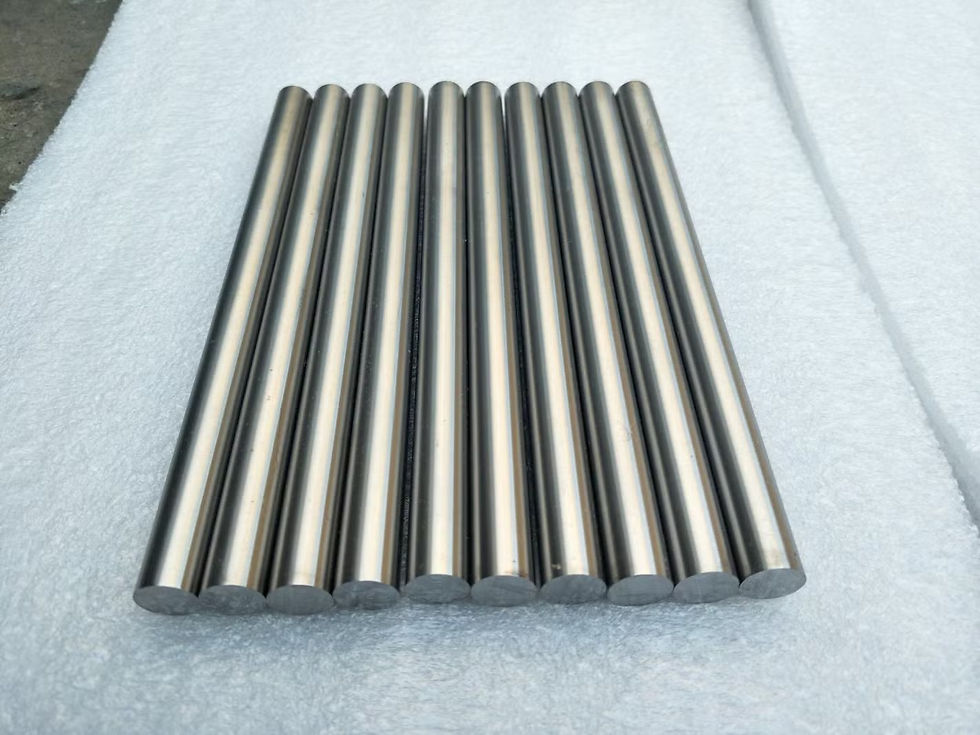
These steps involve specialized equipment and carefully controlled conditions, which is why working with a Molybdenum Rod Supplier who is experienced in supplying these types of components is as much of a key component as the actual raw material.
Quality Standards and Testing
Reliable manufacturers test the molybdenum rods they supply to world-class international standards like ASTM B387 to ensure purity, mechanical strength, and dimensions. Typical quality checks are:
Chemical composition analysis
It is important to carry out density and porosity testing.
A material's resistance to breaking is measured by its tensile and yield strength.
The surface finish and straightness of the pieces were checked. Surface finish and straightness were checked.
When assessing a supplier's reliability and consistency, it's prudent for buyers to ask for mill test certificates and quality documentation.
Applications of Molybdenum Rods
The applications of molybdenum rods are applied in various industries, such as:
Glass Manufacturing – as electrodes in glass melting furnaces
Vacuum Furnace Parts – heat shields, heat elements and supports
Semiconductor manufacturing equipment – electronics (electrical contacts)
Aerospace and Defense – high-temperature structural components
Medical Equipment – X-ray tube targets and components.
They can withstand high temperatures and stress, making them essential components in applications where performance at elevated temperatures is a must.
The reasons for choosing an Indian manufacturer?
For both domestic and international buyers, there are numerous benefits to India's expanding community of specialized metal manufacturers, such as low costs, proven manufacturing ability, and improving compliance with international standards. Instead of purchasing from a new or unknown manufacturer, it might be better to work with an established molybdenum rod supplier in India, depending on the buyer's location, as they may have shorter delivery times, can provide custom-made specifications, and may be able to provide technical support during the sourcing process.
Conclusion
Molybdenum rod production is a multi-stage procedure that requires technical skills and rigorous quality control throughout the manufacturing process, ranging from the mining of molybdenite ore to the final production of intricate rods used in various sectors, such as electronics and aerospace. No matter what type of rods you need, whether for industrial furnace parts or for special applications such as electronics, it's critical to select a manufacturer who has the experience and proven production capability to ensure that the rods will perform and be reliable in your end product.
FAQs
1. What is molybdenum rod used for?
Molybdenum rods are used in high-temperature applications such as vacuum furnace components, glass-melting electrodes, electrical contacts, X-ray tube targets, and aerospace structural parts, thanks to their high melting point and strength retention under heat.
2. How is molybdenum rod manufactured?
Molybdenum rod is produced through powder metallurgy — molybdenum powder is pressed into billets, sintered at high temperature, hot-worked, and then drawn or swaged down to the final diameter before straightening and finishing.
3. What is the melting point of molybdenum?
Molybdenum has a melting point of approximately 2,623°C (4,753°F), making it one of the most heat-resistant metals used in industrial manufacturing.


Comments