


Tungsten Copper Rod: Properties, Applications, and Benefits Explained

Understanding the Importance of Tungsten Copper Rod in Modern Industries
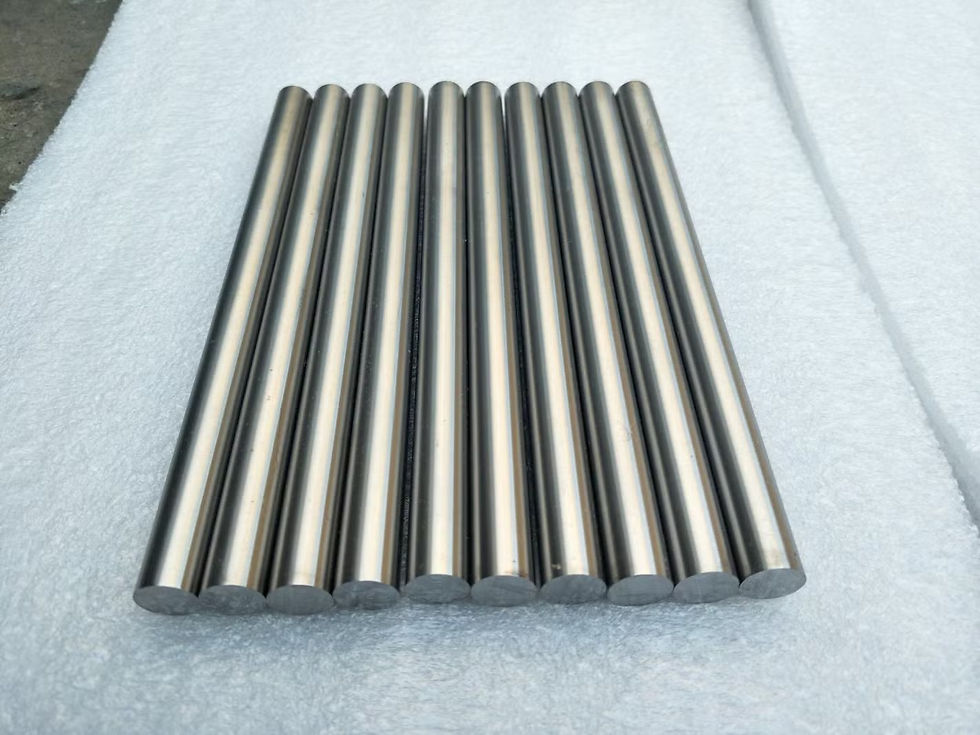
In high-performance engineering and other advanced manufacturing industries, materials should be resistant to high temperatures, high pressure, and electrical exposure. It is at this point that Tungsten Copper Rod: Properties, Applications, and Benefits Explained becomes a significant topic for industry players, including construction heads, architects, and industrial contractors. A Tungsten Copper Rod is a composite material that combines the strength and high melting point of tungsten with the good electrical and thermal conductivity of copper.
Due to this special mix, tungsten-copper rods are often employed in industries that require durability and dependability. This material has become an important part of modern engineering solutions since electrical contacts and resistance welding electrodes are used in aerospace and defense. Knowledge of tungsten-copper rod properties, applications, and the main benefits can enable decision-makers to make suitable decisions about the material to use in challenging work. This paper will discuss the performance, application, and why tungsten copper rods are noteworthy in most industry settings.
Key Properties of Tungsten Copper Rod
The tungsten-copper rod is designed to fuse the two strong metals. This produces an exceptionally performing material in difficult environments.
The following are the most important properties:
Good thermal conductivity - Copper is a good conductor of heat,t thus avoiding overheating of machinery.
Excellent electrical conductivity- Suitable for electrical contacts and high current.
High melting point - Tungsten has high temperature resistance.
Minimal thermal expansion - Aids in keeping the structure stable, even in the face of temperature changes.
Good wear resistance -Applicable in industrial heavy-duty processes.
Good arc erosion resistance - Ideal for electrical switching devices.
These characteristics also make tungsten copper rods the right choice when the industry needs heat resistance as well as electrical conductivity.
Why is Tungsten Copper Rod Preferred for Industrial Applications?
Construction leaders and industrial engineers prefer tungsten copper materials for their reliability in harsh environments.
The reasons why the tungsten copper rod is preferable in industries include:
Excellent thermal characteristics at low temperatures.
Increased operable life as compared to most traditional metals.
Less expensive maintenance payments through durability.
Constant mechanical operation even at repeated heating cycles.
In cases involving a contractor and an engineering team working on large infrastructure or manufacturing systems, operational risks can be greatly mitigated by selecting materials that enhance efficiency and durability.
Common Applications of Tungsten Copper Rod
Tungsten copper rods have a wide range of applications across numerous industries. Most of the critical applications of this material are listed below.
1. Electrical Contacts and Switchgear
Tungsten copper rods are highly used in electrical contacts since they can withstand:
High voltage loads
Electrical arc erosion
Heat caused by switching operations.
This ensures that they are vital in the power distribution system and heavy electrical equipment.
2. Resistance Welding Electrodes
In the manufacturing and metal fabrication sectors, the electrodes used in resistance welding must be made of materials that are resistant to extreme temperatures yet still conduct.
Tungsten copper rod offers:
Lexus welding stability.
Longer electrode life
Improved welding precision
This is why it is widely used in automotive and industrial factories.
3. Aerospace and Defense Components
The aerospace industry needs heat-resistant and structurally reliable materials.
Applications include:
Rocket nozzle components
Aircraft electrical systems.
Thermal management systems
Tungsten-copper rods are a reliable solution for these hardened applications due to their durability.
4. Heat Sinks and Thermal Management Systems
Most high-performance machines would require a high-performance cooling system. The tungsten copper rods find application in:
electronic heat sinks
Power electronics
Semiconductor devices
Their thermal conductivity guarantees effective heat dissipation.
Benefits of Using Tungsten Copper Rod in Engineering Projects
In large industrial projects, the choice of appropriate materials influences long-term performance. The tungsten copper rod offers several benefits that make it useful to engineers, architects, and contractors.
Key Benefits
Extraordinary wearability - Can be used in mechanical stress and heat.
Effective heat release - Secures the equipment against thermal damage.
High electrical performance- Suited for power distribution systems.
Increased operational efficiency improves equipment reliability.
Low in the long term - Costs are saved on replaceability.
In major construction or industrial projects, these advantages will go a long way toward enhancing system performance and reducing downtime.
Conclusion
Knowledge of Tungsten Copper Rod: Properties, Applications, and Benefits Explained will enable industry leaders to make wise choices when selecting materials for demanding projects. As was previously mentioned, tungsten copper rods are a composite of the properties of tungsten and copper, tungsten's strength and heat resistance, and copper's electrical and thermal conductivity. This special combination makes them suitable for electrical contacts, resistance welding electrodes, aerospace parts, and thermal management.
For construction heads, architects, and contractors who must deal with high-performance infrastructure or manufacturing systems, tungsten copper rods are durable, dependable, and efficient in the long run. Using materials with better characteristics, business entrepreneurs will be able to guarantee safer work, better production, and reduced maintenance expenses.
FAQs
Q1. Which industries commonly use tungsten-copper rod for high-temperature applications?
Aerospace, electrical engineering, automotive manufacturing, and defense industries are typical applications of tungsten-copper rods, as they can withstand extreme heat and electrical loading while maintaining a stable structure.
Q2. Why is the tungsten-copper rod preferred for electrical contacts and welding electrodes?
Tungsten copper rods are excellent in their electrical conductivity, arc resistance, and thermal stability. The characteristics enable them to be used as electrical contacts, switchgear systems, and resistance welding electrodes in heavy industrial operations.

Comments